
Tiny Homes
Tiny Homes of Vermont

Living in a tiny home in Vermont is an invitation to breathe deeper and live lighter. Nestled among maples and mountains, a well-crafted tiny home offers warmth, simplicity, and purpose. Fewer walls create more freedom: mornings with misty views, evenings by woodstoves, and nights filled with stars. Here, nature is not scenery but a companion, reminding you daily that abundance is found in quiet, intention, and place—and a slower, truer rhythm of living well.
Tiny House Photo Gallery
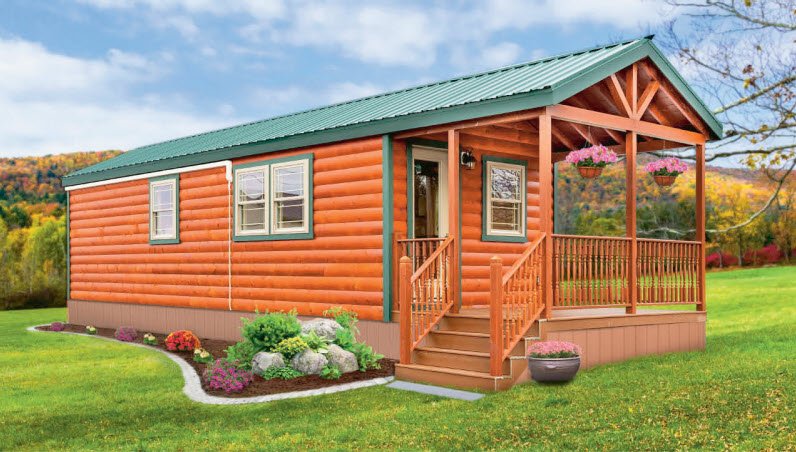
The Lake Port
12′ x 40′ with 12′ x 8′ Porch
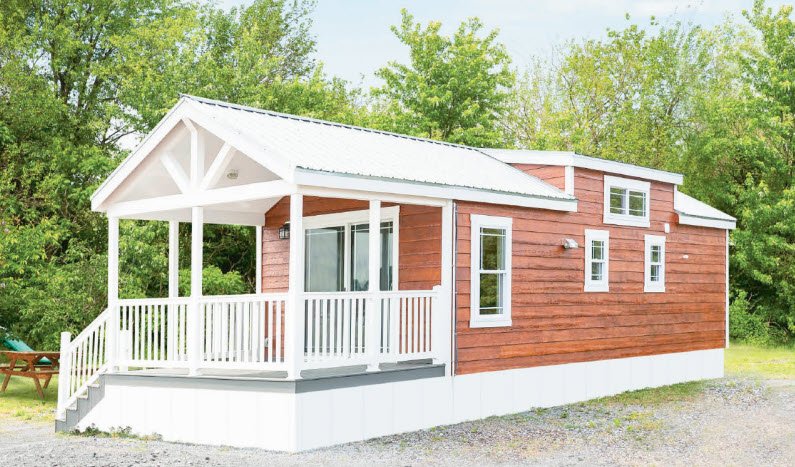
The Appalachian
11’8″ x 42’6″ with 10′ x 11’8″ Porch
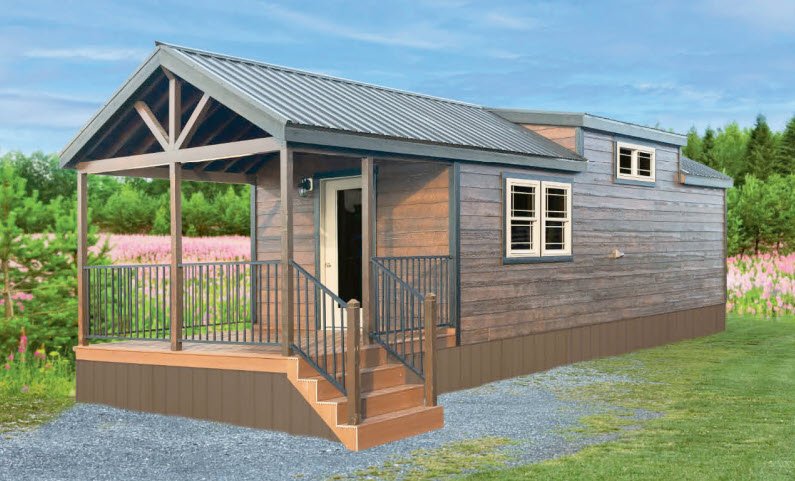
The Appalachian
11’8″ x 42’6″ with 10′ x 11’8″ Porch
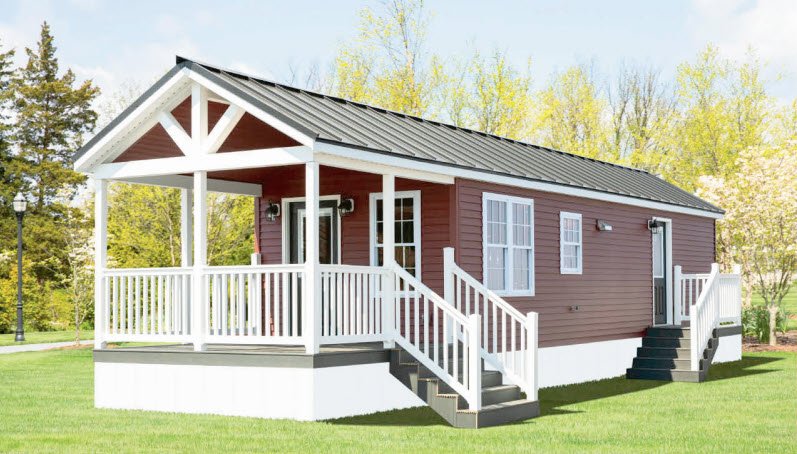
The Santa Rosa
12’9″ x 40’0″ with 10’0″ x 10’9″ Porch
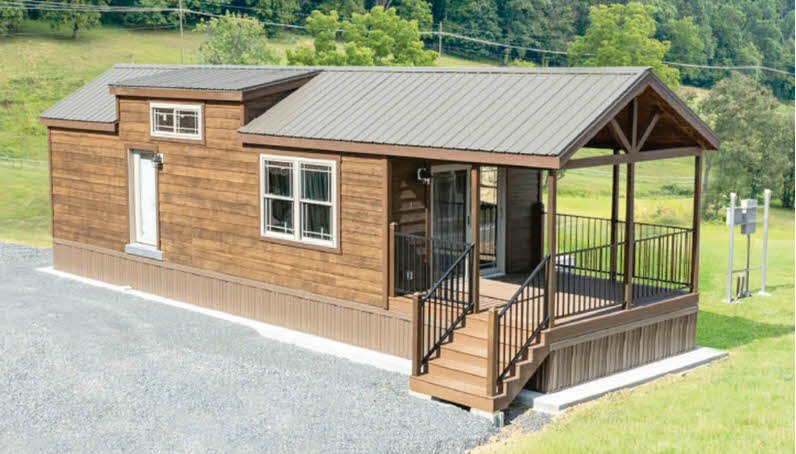
The Pine Cone
11’8″ x 42’6″ with 10′ Porch
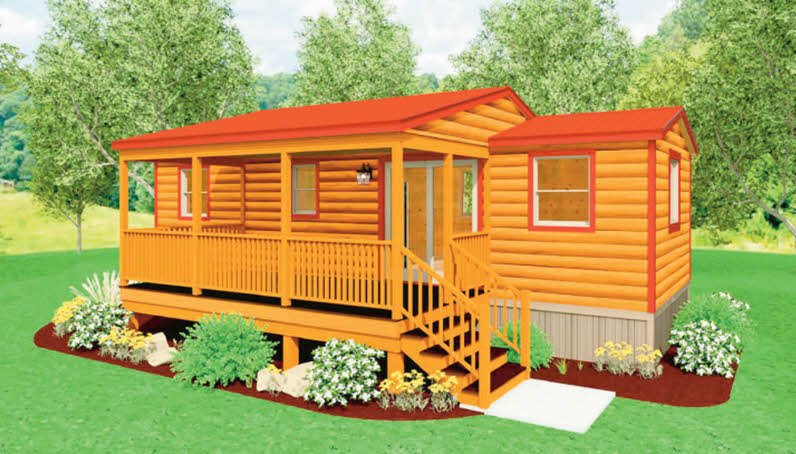
Rendering
The Riverview
11′ x 35′ with 8’11” x 18′ Porch
A Short Tiny Home Video
Fundamental Considerations for A Tiny Home
Tiny Homes of Vermont

Space Optimization
Maximize every inch of space through multi-functional furniture, vertical storage, and clever layout planning. Consider how areas can serve multiple purposes (e.g., a dining table that becomes a desk).

Storage Solutions
Because square footage is limited in a tiny home, creative and efficient storage is vital. Use under-floor compartments, wall-mounted shelves, built-in seating with storage, and ceiling-mounted options.

Utilities and Systems
Plan for water (plumbing), electricity, heating, cooling, and possibly off-grid options like solar panels or composting toilets. Efficient systems make tiny living more sustainable and livable.

Zoning and Legal Regulations
Check local building codes, zoning laws, and tiny home ordinances. Whether it’s on wheels or a foundation, legal considerations will affect where and how you can build and enjoy your tiny home.

Lifestyle Priorities
Understand your personal needs and what you’re willing to compromise on. Prioritize features based on daily habits—cooking space, work area, sleeping arrangements, etc.

Location and Mobility
Decide if the tiny home will be stationary or mobile. Mobility impacts design (e.g., weight, size, towability) and infrastructure needs (e.g., water hookups, insulation, durability).